
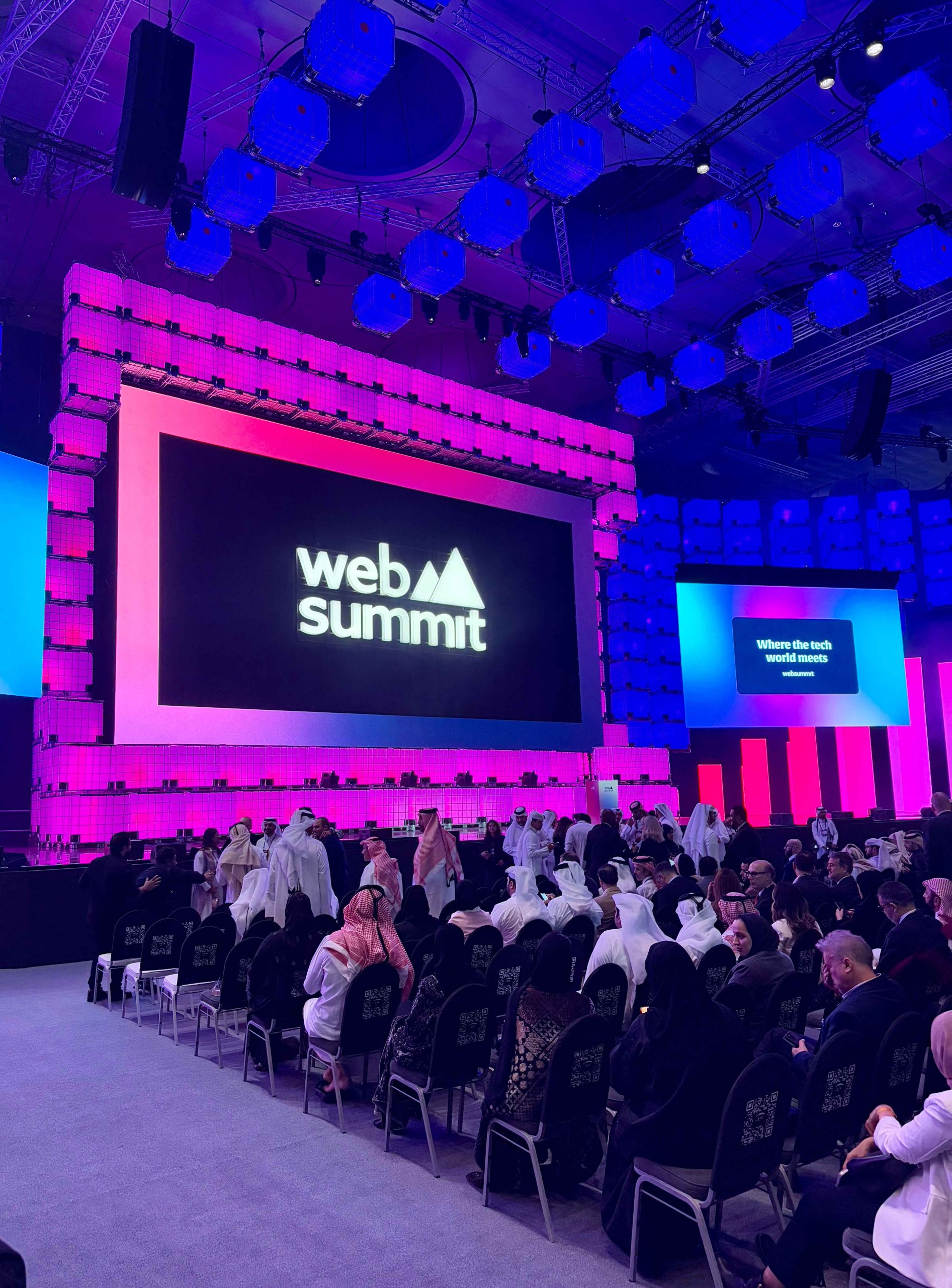
Embarking on the AI Journey: How Small Businesses Are Transforming
In today’s rapidly evolving business landscape, ensuring that your company stands out is crucial to success. As small and medium-sized business owners, startup founders, and decision-makers, the need to be different and ensure inclusivity is not just beneficial but imperative. Recent studies reveal that diverse companies are 35% more likely to outperform their less-diverse counterparts, underscoring the importance of including varied perspectives in all facets of business operations.
This article explores practical strategies for fostering an inclusive environment that drives innovation and distinguishes your business in a crowded marketplace. We delve into the benefits of embracing diversity, not just in workforce composition but in ideas, strategies, and leadership approaches. By the end of this read, you will learn how to seamlessly integrate inclusivity into your business model, ensuring that being different is your strongest asset and every perspective is included in shaping the future of your enterprise.
Join us as we unpack the tangible benefits of diversity and inclusion, provide actionable insights, and highlight success stories from businesses that have thrived by championing these principles. Whether you’re looking to revamp your strategy or build from the ground up, understanding how to ensure diversity and inclusivity can significantly impact your business’s growth and sustainability.
Why AI Matters Now More Than Ever for Your Business SuccessBuilding on the compelling statistic that diverse companies outperform their peers, it’s clear why embracing artificial intelligence (AI) is vital in ensuring your business stays competitive and different. For small and medium-sized businesses, integrating AI can seem daunting due to perceived high costs and complexity. However, the reality is that AI technology has become more accessible than ever, breaking down barriers that once hindered smaller players from reaping its benefits.
AI’s capacity to analyze vast amounts of data quickly and accurately ensures that decision-making is more informed and nuanced, promoting a proactive rather than reactive business model. This ability to anticipate market trends and customer needs sets businesses apart in a saturated market. Moreover, AI-driven automation frees up valuable time for strategic thinking and innovation, fostering an environment where creative solutions are not only encouraged but facilitated.
Experts in business strategy and technology underscore the transformative impact of AI on operational efficiency. They point to real-world examples where small businesses have leveraged AI tools for everything from inventory management and customer service to personalized marketing campaigns and beyond. These businesses report not just increased efficiency but also enhanced customer satisfaction and loyalty, which translate directly to higher profits and sustainable growth.
This shift towards AI-driven practices is not just about keeping up with technology—it’s about taking charge of it to cultivate a unique edge in your industry. Embracing AI means ensuring your business is equipped to face future challenges while being distinctly positioned as a forward-thinking leader. By including AI into your strategic planning, you’re not just adapting; you’re setting the stage for transformation and long-term success.
Navigating the Hurdles: Common AI Challenges for SMBs
While the benefits of integrating AI into business operations are clear, the path to successful implementation is lined with distinct challenges. One of the primary hurdles is the initial cost of adopting AI technology. Small businesses often operate on tighter budgets, which can restrict their ability to invest upfront in sophisticated AI tools. However, failing to make this investment can keep a business from remaining competitive and different in the digital age, as they miss out on the efficiency and scalability that AI solutions provide.
Another significant obstacle is the lack of AI expertise and technical knowledge within a team. Most small and medium-sized enterprises do not have dedicated data scientists or AI experts on staff. This skill gap can result in suboptimal usage of AI tools or even deter business leaders from adopting AI technologies altogether. Real-world examples show that companies falling behind in digital capabilities find it increasingly difficult to meet customer expectations for personalized and rapid service, leading to a decrease in customer retention and revenue.
Data privacy and security is yet another challenge, particularly poignant given the increasing regulations around data usage globally. Small businesses must ensure that their AI implementations comply with all legal standards to avoid substantial fines and reputational damage. Moreover, without properly securing AI systems, businesses risk data breaches, which can irreparably harm customer trust and loyalty.
The importance of navigating these challenges cannot be understated. Without addressing these key obstacles, businesses may not only miss out on leveraging AI to enhance operational efficiency but also risk becoming obsolete as more technologically equipped competitors dominate the market. As we move forward, the next section will explore actionable solutions and best practices that can help overcome these hurdles, ensuring that your business not only adopts AI but does so effectively and ethically, keeping you included in the ranks of innovative, future-forward enterprises.
AI Solutions at Work: Strategic Insights for SMB Prosperity
As we transition from exploring the key challenges that small businesses face in leveraging AI, it’s crucial to focus on actionable solutions and best practices that can pave the way for success. To ensure that small and medium-sized enterprises (SMEs) harness the full potential of AI, here are strategic steps and techniques that have proven effective across various industries.
**1. Establish a Clear AI Strategy**
Firstly, ensure your business has a clear AI implementation strategy. It should be aligned with specific business goals to avoid the pitfalls of aimless technology adoption. Different departments within your organization may benefit in unique ways from AI tools, so involve stakeholders from the outset to tailor your strategy to diverse needs. For example, a retail company might use AI for inventory management to predict stock levels accurately, while a marketing firm might leverage AI for analyzing consumer behavior patterns.
**2. Choose the Right Technology Partners**
Selecting suitable technology partners is critical. Look for partners who offer scalable solutions and possess robust experience in your industry. A good partner should not only provide the technology but also understand its application in your specific context. For instance, a manufacturing SME incorporated AI to improve their supply chain efficiency by partnering with a tech provider who specialized in predictive logistics.
**3. Invest in Employee Training and Development**
Inclusion of AI in your operations necessitates upskilling your workforce to handle new tools and technologies. Regular training sessions should be included in your operational calendar, ensuring that all team members are comfortable and proficient with AI systems. Consider employing a blended learning approach combining online courses, workshops, and peer-to-peer learning sessions.
**4. Start Small and Scale Gradually**
Begin by integrating AI into a single business process or function. This allows you to monitor outcomes and iterate before a full-scale rollout. A boutique marketing agency might start by automating data collection and analysis to gauge campaign effectiveness before using AI for more complex tasks like content generation or media buying.
**5. Ensure Data Quality and Management**
High-quality data is the bedrock of effective AI solutions. Ensure rigorous data management practices are in place to maintain the integrity and accuracy of the data your AI systems use. This includes regular audits, compliance checks, and clean-up routines. An ecommerce startup improved their recommendation engine’s accuracy by overhauling their data collection and processing workflows, leading to increased customer satisfaction and sales.
**6. Monitor Performance and Adapt Continuously**
Finally, continuously monitor the performance of your AI implementations and be ready to make adjustments as needed. AI is not a set-it-and-forget-it solution; it requires ongoing evaluation to truly benefit your business. Implement performance metrics to evaluate both the AI system’s impact and its efficiency. Adjust your strategies based on these insights to optimize results.
By following these guidelines, SMEs can overcome the initial hurdles of AI adoption and move towards becoming more competitive in the digital age. Real-world examples abound where small companies have successfully integrated AI into their business practices. Up next, let’s delve into some of these case studies to glean insights from their journeys and the tangible benefits they’ve reaped from embracing AI technologies. This will further illustrate the transformative power of AI when strategically deployed in small business settings.
From Theory to Reality: Inspirational AI Success Stories in SMBs
### Real-World Examples & Case Studies
Continuing from the Solutions & Best Practices, let’s explore how small and medium-sized businesses have successfully integrated AI technologies, yielding tangible results and driving industry innovation. Here, we illustrate different case studies that demonstrate AI’s transformative impact.
**Example 1: Streamlined Supply Chain – Retail Apparel Company**
A mid-sized retail apparel company faced challenges with its complex supply chain and inventory management. By implementing an AI-driven logistics solution, the company optimized its supply routes and stock levels, reducing overhead costs by 15% and increasing delivery speed. A novel feature of their AI system ensured smart predictions on stock demand, which significantly minimized overstock and understock scenarios. This strategic overhaul also boosted customer satisfaction due to more timely and accurate order fulfillment.
**Example 2: Enhanced Customer Service – Local Bank**
A community bank incorporated an AI-based chatbot to handle customer inquiries, which allowed it to scale its customer service operations without extra staffing costs. The chatbot was designed to learn from interactions, thus improving its ability to resolve queries more effectively over time. Within six months of integration, the bank reported a 40% decrease in customer wait times and a 50% improvement in issue resolution on the first contact. These improvements were crucial in improving overall customer engagement and retention rates.
**Example 3: Predictive Analytics – E-commerce Startup**
An e-commerce startup specializing in bespoke health and wellness products utilized AI to analyze customer data and predict purchasing trends. This predictive capability enabled them to tailor marketing campaigns and adjust inventory in accordance with anticipated demand shifts. As a result, the startup saw a 30% increase in sales revenue and a 25% increase in return customers. Included in their strategy, the use of detailed analytics reports helped them understand different customer segments and refine their market approach accordingly.
**Key Takeaways:**
– **Integration with existing systems:** Successful implementations often rely on AI solutions that seamlessly integrate with existing business processes, minimizing disruption and maximizing adoption.
– **Focus on measurable outcomes:** Companies highlighted in these examples set clear goals (such as reduced waiting times, increased sales, etc.) and measured the success of AI implementations against these metrics.
– **Continual learning and adaptation:** AI systems that learn from ongoing interactions and adapt to changes in business environments tend to offer more long-term benefits.
These examples clearly illustrate that when applied thoughtfully, AI can be a powerful tool for enhancing various aspects of business operations. Each of these companies not only improved operational efficiencies but also delivered better customer experiences and enhanced financial performance. As we look toward future trends and predictions in the next section, these case studies underscore the potential for AI to continue driving significant advancements in the business world.
Peeking into the Future: What’s Next in AI for Small Businesses?As we continue to explore the transformative impact of artificial intelligence in the business realm, particularly for small and medium-sized enterprises (SMEs), it becomes crucial to look ahead and prepare for future trends. Understanding these upcoming developments can help businesses not only survive but thrive in a constantly evolving marketplace.
One significant trend on the horizon is the increasing accessibility of AI technologies. As AI tools become more user-friendly and affordable, they are no longer exclusive to large corporations with deep pockets. Expect to see AI become a base requirement rather than a luxury for businesses across various sectors. This democratization will enable SMEs to compete at different levels, bringing innovative solutions to challenges previously unsolvable due to resource constraints.
Another trend to watch out for is the integration of AI with Internet of Things (IoT) devices. This convergence will lead to smarter ecosystems within business operations that can enhance collected data and operational efficiency. For example, AI-enabled IoT devices can optimize supply chain logistics by predicting inventory needs and tracking asset conditions in real-time. Businesses that adopt and integrate these technologies will be poised to react more swiftly to market changes and customer needs.
Furthermore, ethical AI deployment will come into sharper focus, ensuring that as AI becomes more integrated into everyday business activities, it is used responsibly. Transparency in how AI algorithms make decisions and ensuring privacy in data usage will be critical areas where regulations and standards will evolve. Companies must stay informed about these changes to maintain not only legal compliance but also public trust.
Additionally, the rise of AI-powered analytics will transform decision-making processes. These tools provide deeper insights and foresighted analytics that can predict market trends and consumer behavior. By harnessing this capability, businesses can tailor their strategies to better meet future demands.
However, these opportunities do not come without challenges. The rapid pace of technological change can be difficult to keep up with, and there may be an increasing skills gap in the workforce concerning new technologies. To mitigate these issues, continuous learning and development must be included in organizational culture, ensuring teams remain competent and competitive.
As we move toward wrapping up our insights on AI’s impact on small businesses, it’s clear that those who are proactive in adopting and adapting to these trends will likely lead their markets. In our next section, we will delve into concrete steps businesses can take to leverage AI effectively, ensuring that the theoretical benefits discussed are translated into tangible outcomes.
Crafting Your AI Blueprint: Essential Next Steps for SMB Leaders
In this exploration of artificial intelligence and its profound impact on small and medium-sized enterprises, we’ve traversed from understanding the basic implications to recognizing the immense potential AI holds for transforming operations, increasing efficiency, and driving revenue growth. AI, as we’ve seen, isn’t just a technological upgrade; it’s a strategic imperative that can differentiate businesses in a competitive digital landscape.
Key takeaways have undeniably underscored the necessity for SMEs to integrate AI solutions into their business models. From improving customer engagement through personalized AI-driven insights to optimizing supply chains and making data-backed decisions, the advantages are clear. Furthermore, the responsible use of AI ensures that businesses not only gain a competitive edge but also build trust and maintain ethical standards, which are increasingly important to consumers.
Looking ahead, it’s evident that staying abreast of AI developments and upcoming trends is crucial. The intersection of AI with other technologies like IoT and the importance of ethical frameworks within AI usage cannot be overstated. These elements will define the next wave of business innovations and operational efficiencies.
To embark on this transformative journey, here are some actionable next steps:
- **Educate Your Team**: Ensure that your workforce understands AI and its potential impacts. Consider investing in training sessions or partnerships with AI experts to cultivate an informed team.
- **Evaluate Your Needs**: Assess which areas of your business could benefit most from AI integration. Different businesses will have different needs, so tailor your AI solutions to meet those specific challenges.
- **Start Small**: Implement AI in a smaller, manageable scope to gauge its effects and iterate upon these learnings.
- **Seek Expertise**: If unsure where to start, consulting with AI specialists can provide direction and help develop strategies aligned with your business goals.
- **Monitor Trends and Adjust**: AI is an ever-evolving field. Staying updated with new technologies and adjusting your strategies accordingly is critical for maintaining a competitive edge.
- **Prioritize Ethical Practices**: As you integrate AI technologies, ensure their use aligns with ethical standards, reinforcing your brand’s commitment to responsible business practices.
We encourage you to delve deeper into the possibilities that AI offers. For those interested in taking the next step, consider booking a consultation with an AI expert or signing up for workshops on AI applications in your industry. These resources can provide more tailored guidance and help ensure that your transition into AI adoption is as smooth and effective as possible.
As the digital landscape evolves, embedding AI into your strategic planning isn’t just an option; it’s integral to future-proofing your business and securing a place at the forefront of innovation. Embrace the change, harness the power of AI, and watch your business transform into a more efficient, profitable, and innovative enterprise.